We Didn’t Build the Master Algorithm. We Built an Orchestra.
This week everyone was watching GPT-6 and Opus 5.5. What made me stop was a model that doesn’t write a single word, and it sent me back to Pedro Domingos’s The Master Algorithm.
This week everyone was watching GPT-6 and Opus 5.5. What made me stop was a model that doesn’t write a single word, and it sent me back to Pedro Domingos’s The Master Algorithm.
Claude Code writes the orchestration script, launches a fleet of subagents, and the coordination doesn’t cost a single token. Third installment: from the loop to a graph that runs itself.

There are around twenty specifications for giving an AI agent an identity and almost none are finished. But the serious problem is elsewhere: SCIM and SPIFFE operate on incompatible timescales, and nobody covers the point where they meet.
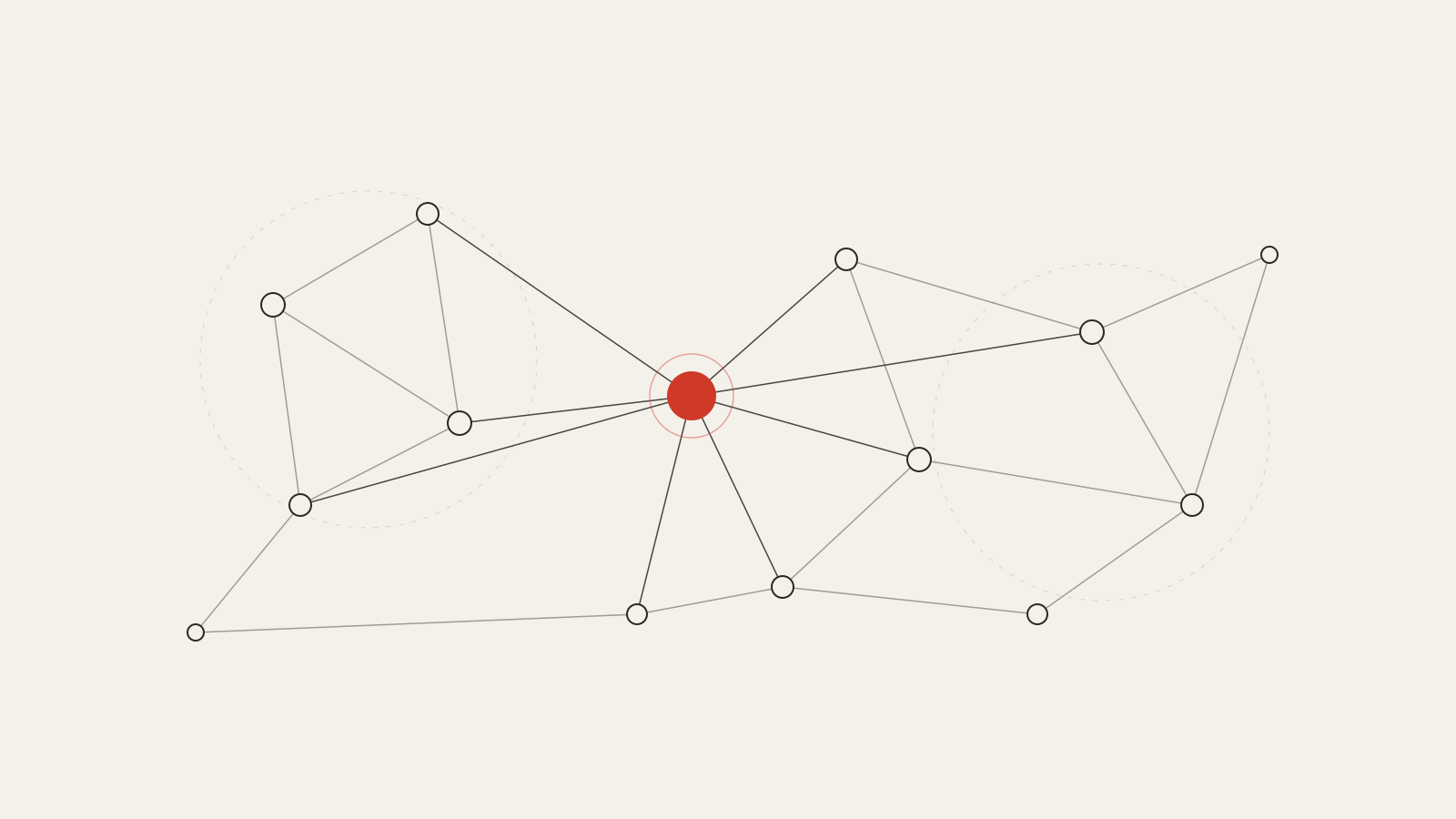
Graphify turns a repository into a deterministic knowledge graph with no embeddings and no LLM cost. Its benchmark is one of the best in the sector — and it contains the row that dismantles its own headline: four thousandths over a classic hybrid RRF. A technical read of the pipeline, the numbers and the defaults.
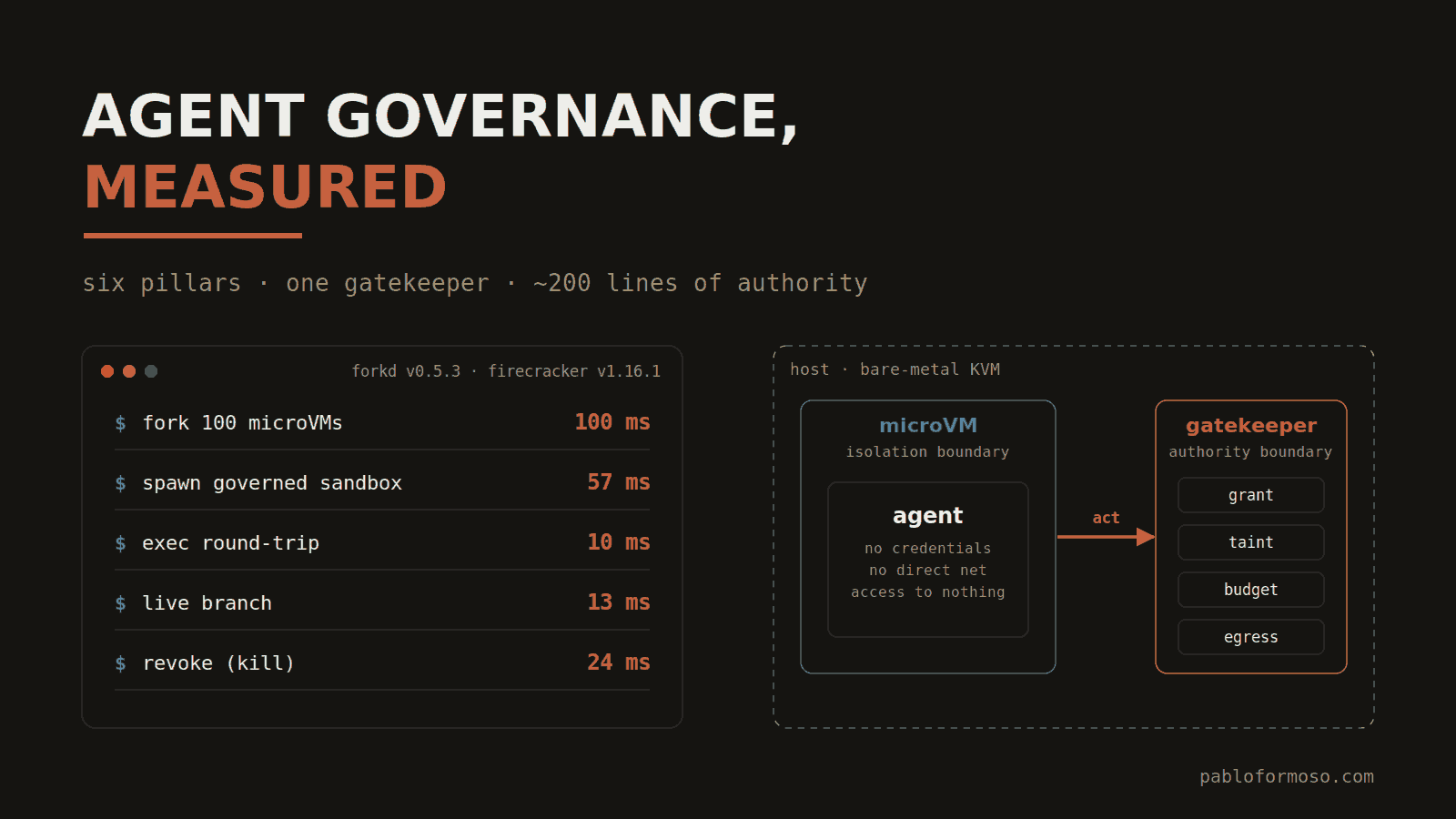
Agent governance is usually discussed as doctrine. We took it to a test bench: a ~200-line gatekeeper, warm-forked microVMs, and four models unknowingly trying to break the rules. The numbers, the prompt-injection matrix, and the two leaks that taught us the most.
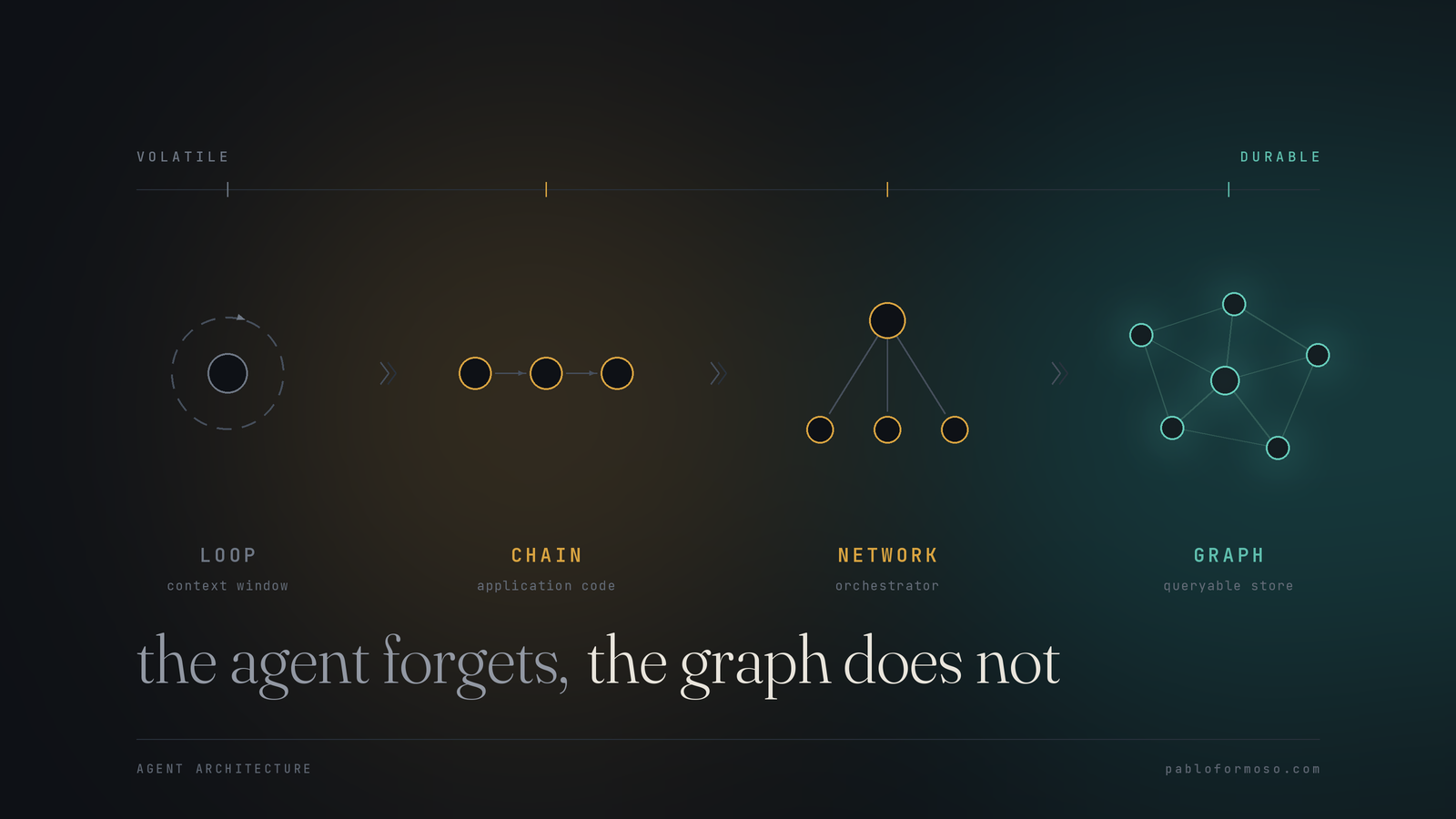
Ng’s four patterns are still the right vocabulary, but the real axis in agent architecture isn’t how many agents you have — it’s where the state lives. An honest walk from loops to graphs, and what has changed since 2024.
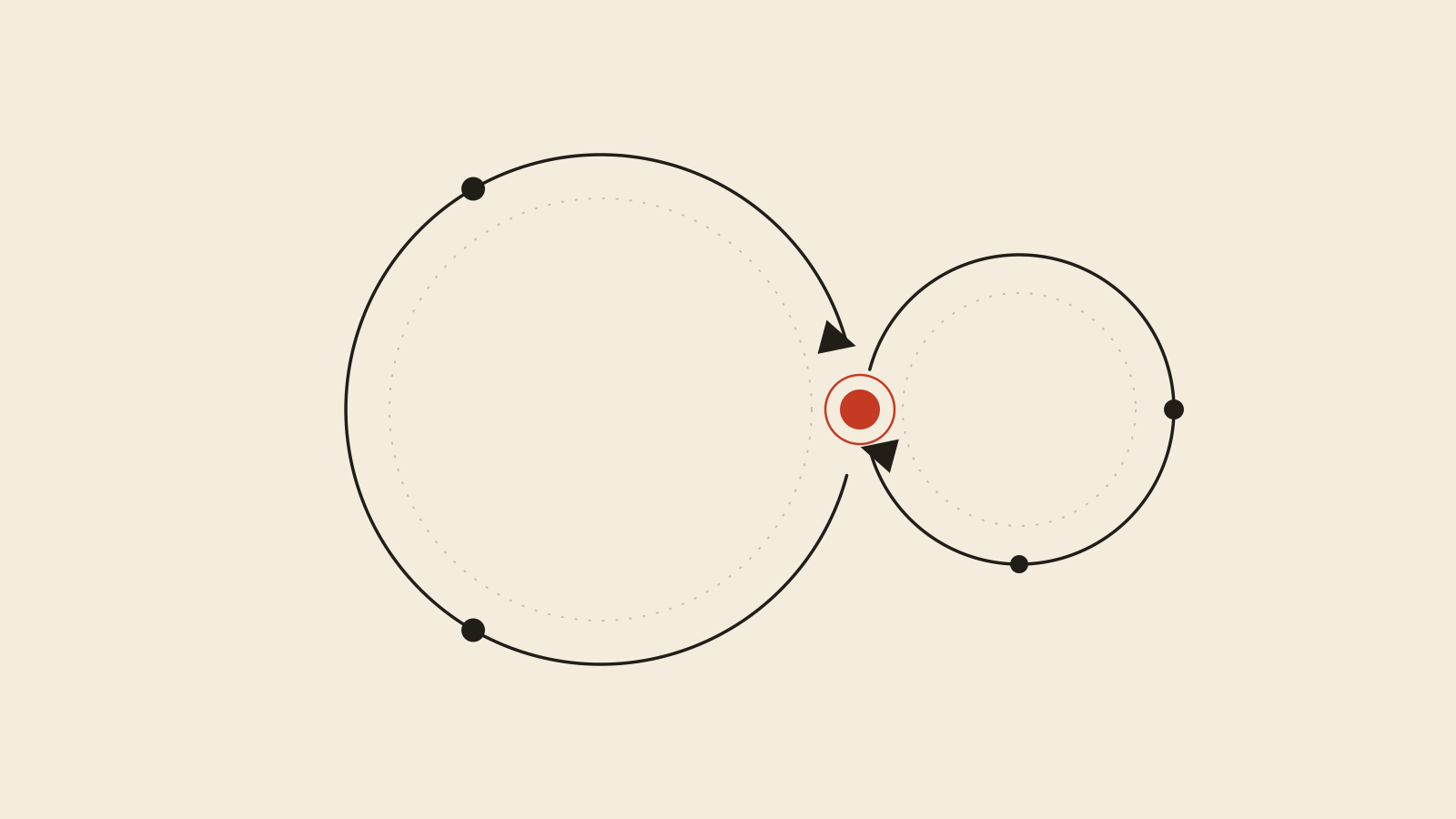
Loop engineering without the smoke: the anatomy of an autonomous loop, how I run mine with a GitHub board and subagents, and the Claude Code parts that make it possible.
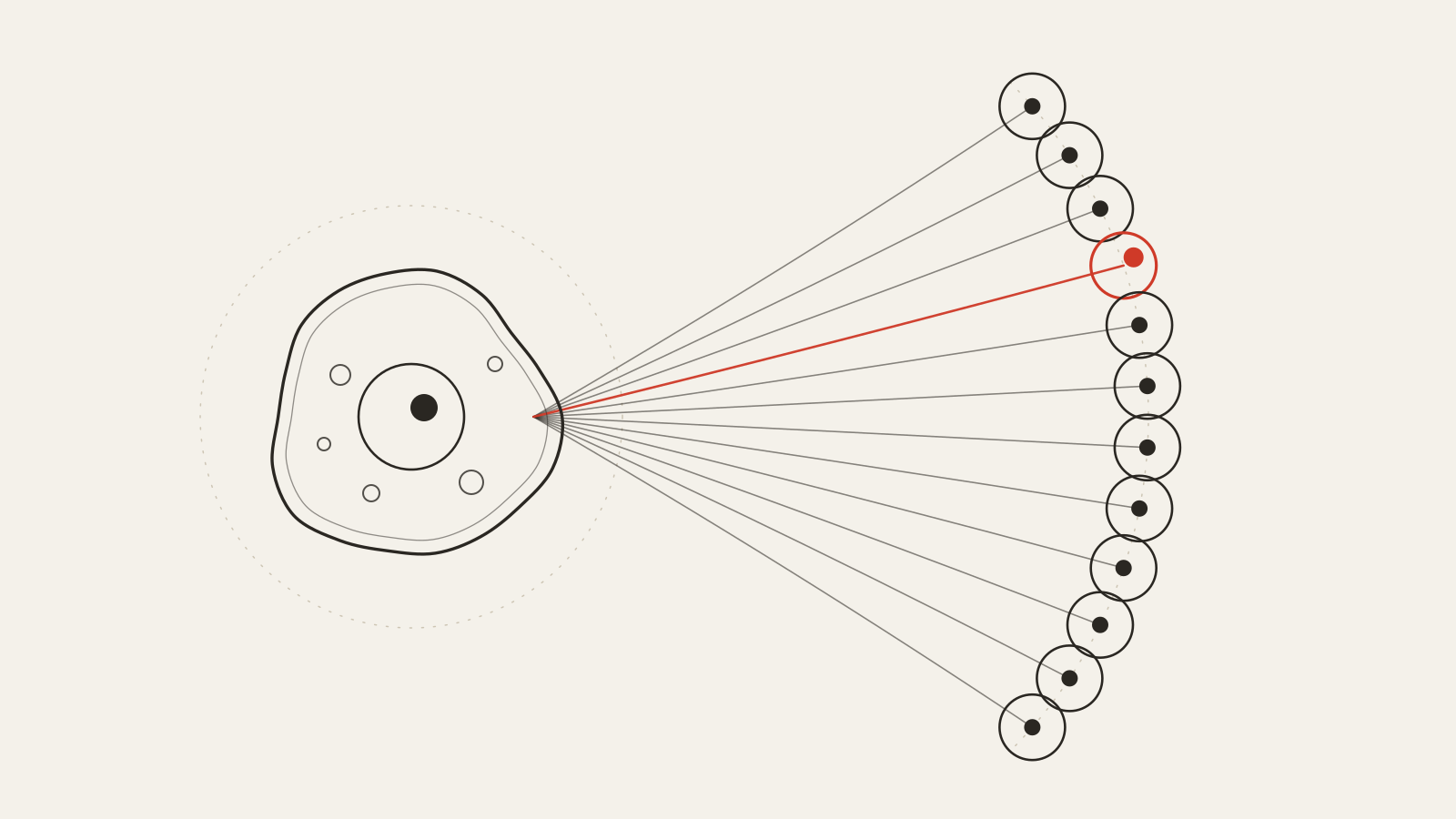
forkd applies the old fork() call to whole virtual machines: a hundred isolated sandboxes in 101 ms by cloning a warm parent. The idea, explained calmly — with biology.
In mid-June 2026, a lab in Beijing released to the world — with an MIT license and open weights — a model that goes toe-to-toe with the closed frontier in long-horizon coding, at a sixth of the price. The headline isn’t the leaderboard. It’s how the thing is built. Because to read a million words…
Selling “sovereign” AI that actually runs on OpenAI’s models isn’t sovereignty — it’s a hermit crab in a borrowed shell. On the difference between armor you grew and armor with someone else’s name on the deed.