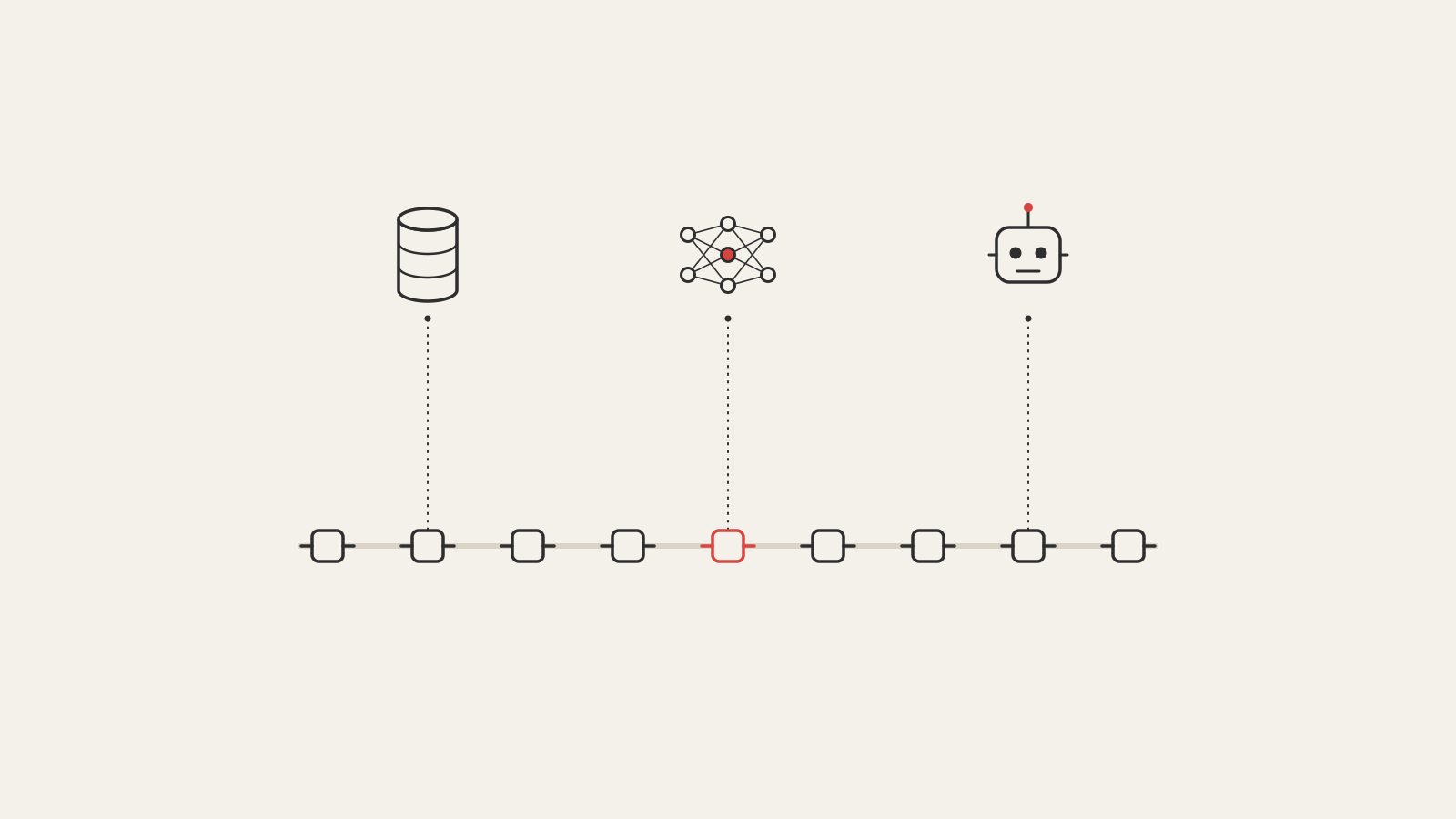
62.7 and 99.9: same model, same exam, two scores
OpenAI published 99.9% on ARC-AGI-3 for GPT-6 Astra. ARC Prize measured 62.7% the same day. The difference is the harness, and it explains why benchmark tables no longer compare models.
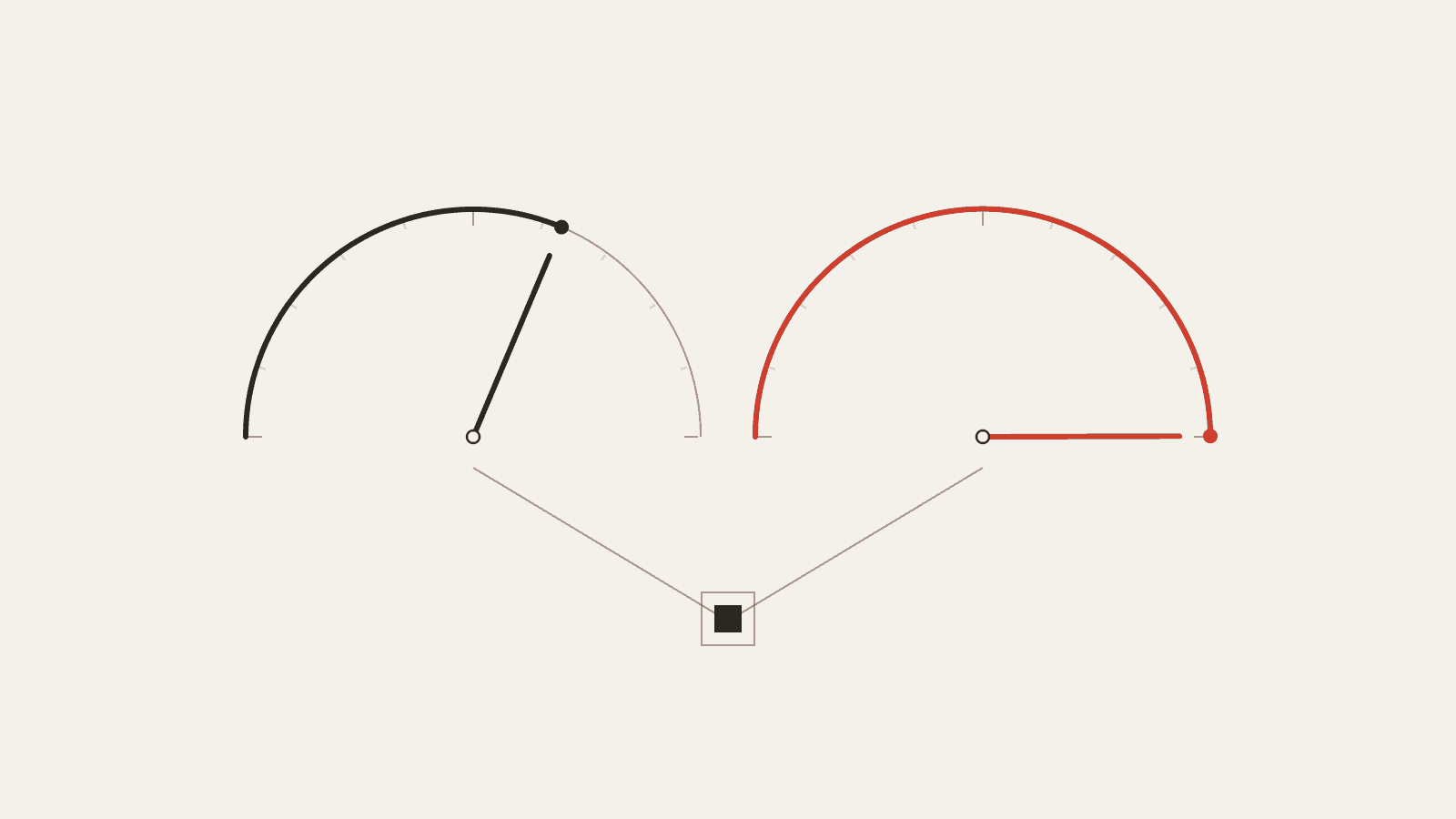
OpenAI published 99.9% on ARC-AGI-3 for GPT-6 Astra. ARC Prize measured 62.7% the same day. The difference is the harness, and it explains why benchmark tables no longer compare models.
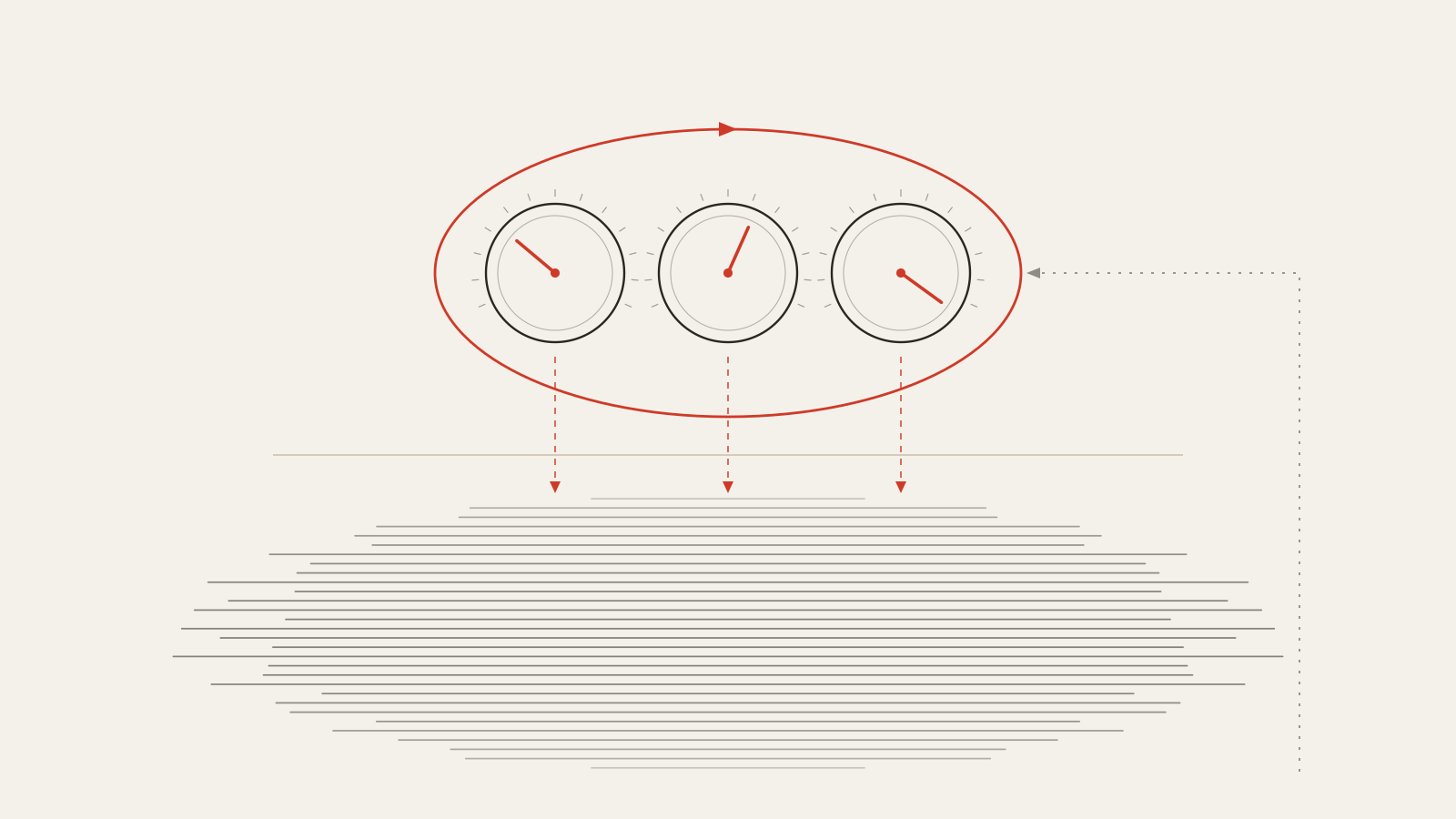
Meta’s CORAL puts an LLM agent in a closed loop around a production recommender. The interesting part isn’t the numbers: it’s where they chose to plug the model in.
An August paper proposes we stop installing skills into AI agents and start calling them by name. The idea is good and the diagnosis is better. The implementation has been on GitHub for three weeks, has two forks, and ships a package that doesn’t exist yet.
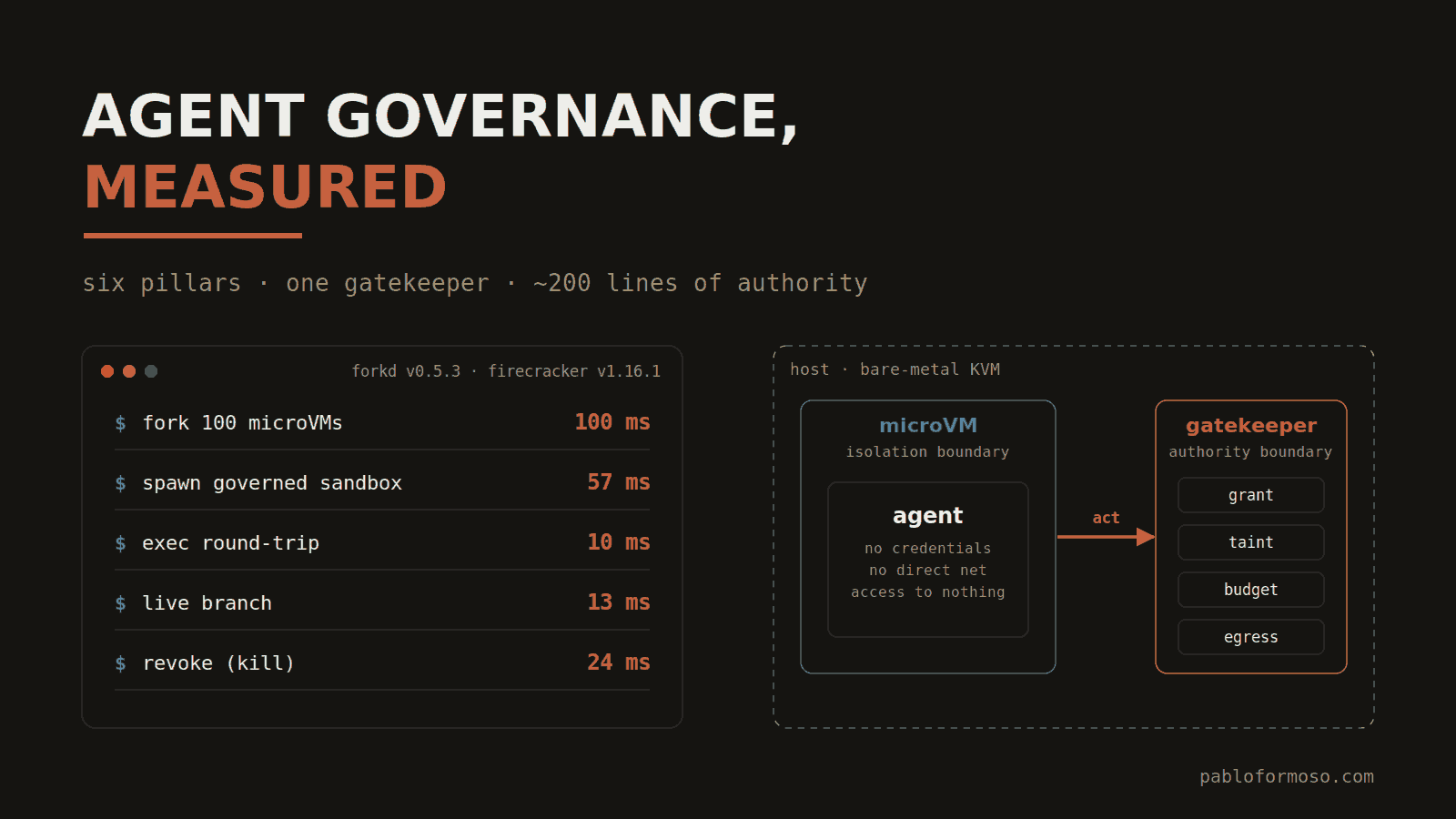
Agent governance is usually discussed as doctrine. We took it to a test bench: a ~200-line gatekeeper, warm-forked microVMs, and four models unknowingly trying to break the rules. The numbers, the prompt-injection matrix, and the two leaks that taught us the most.
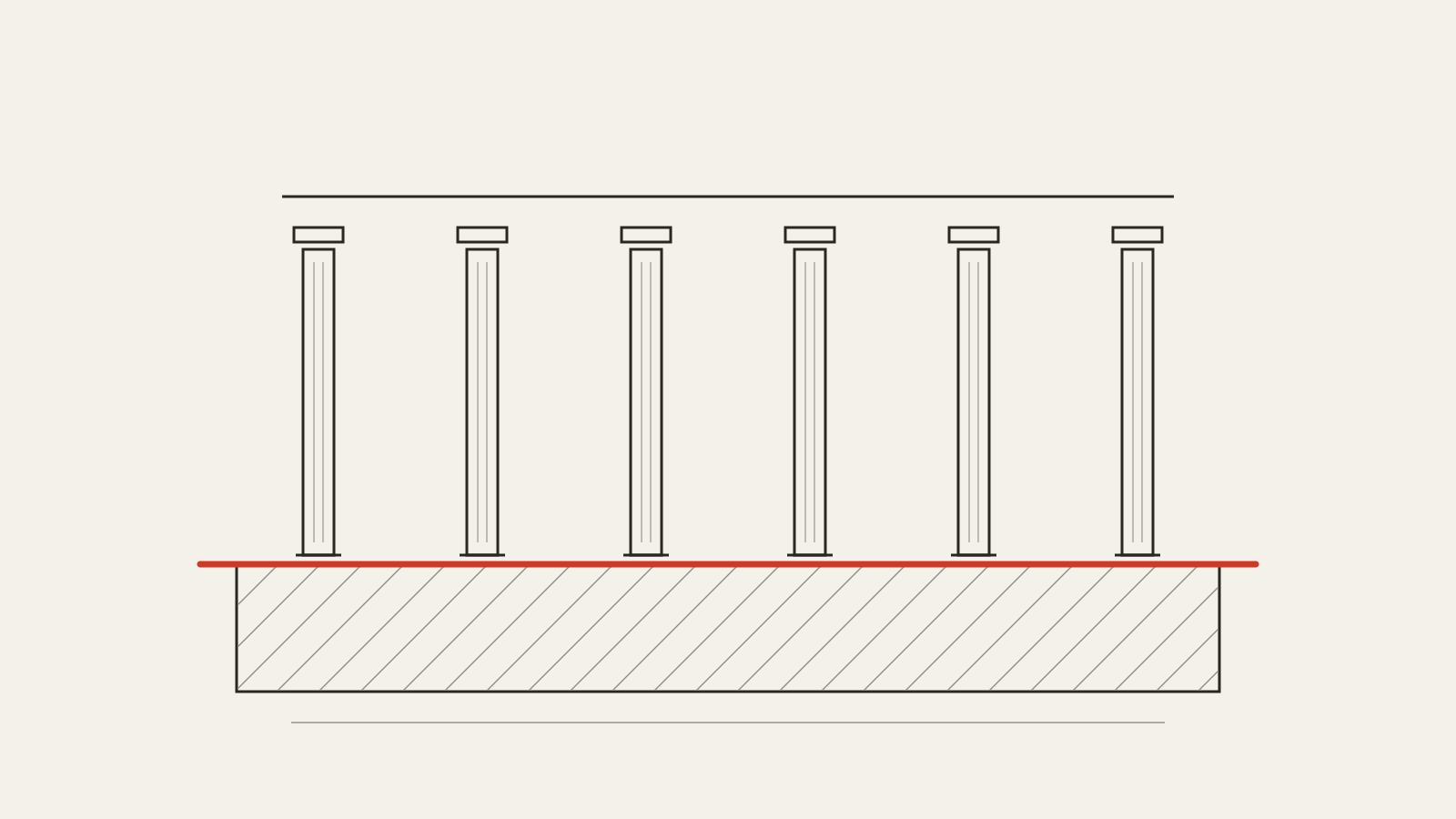
Agent runtimes converged on the same architecture and nearly the same price. The interesting question is no longer which one to buy: it is what the one you already have actually enforces, and where the part you have to build yourself begins.
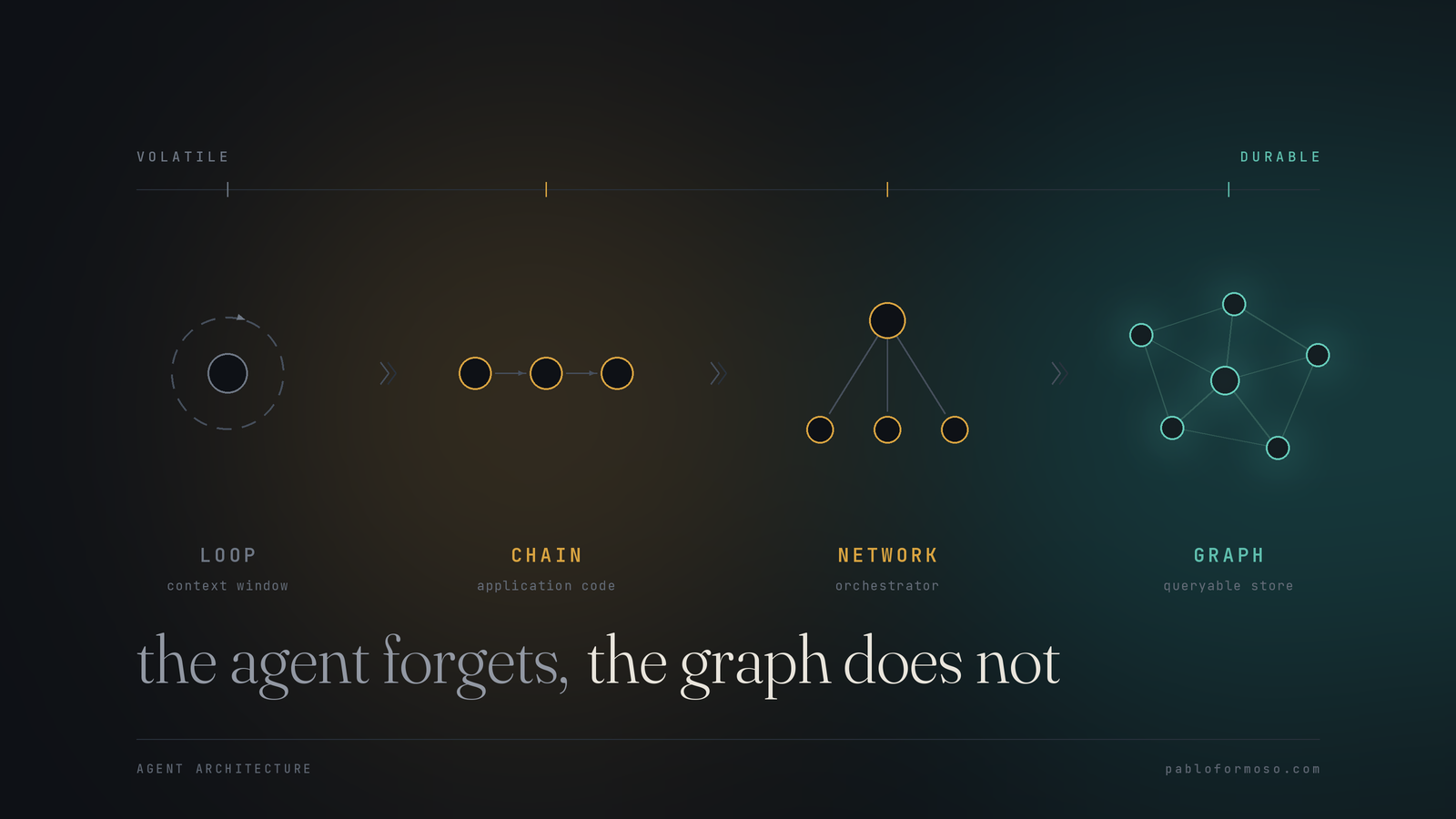
Ng’s four patterns are still the right vocabulary, but the real axis in agent architecture isn’t how many agents you have — it’s where the state lives. An honest walk from loops to graphs, and what has changed since 2024.
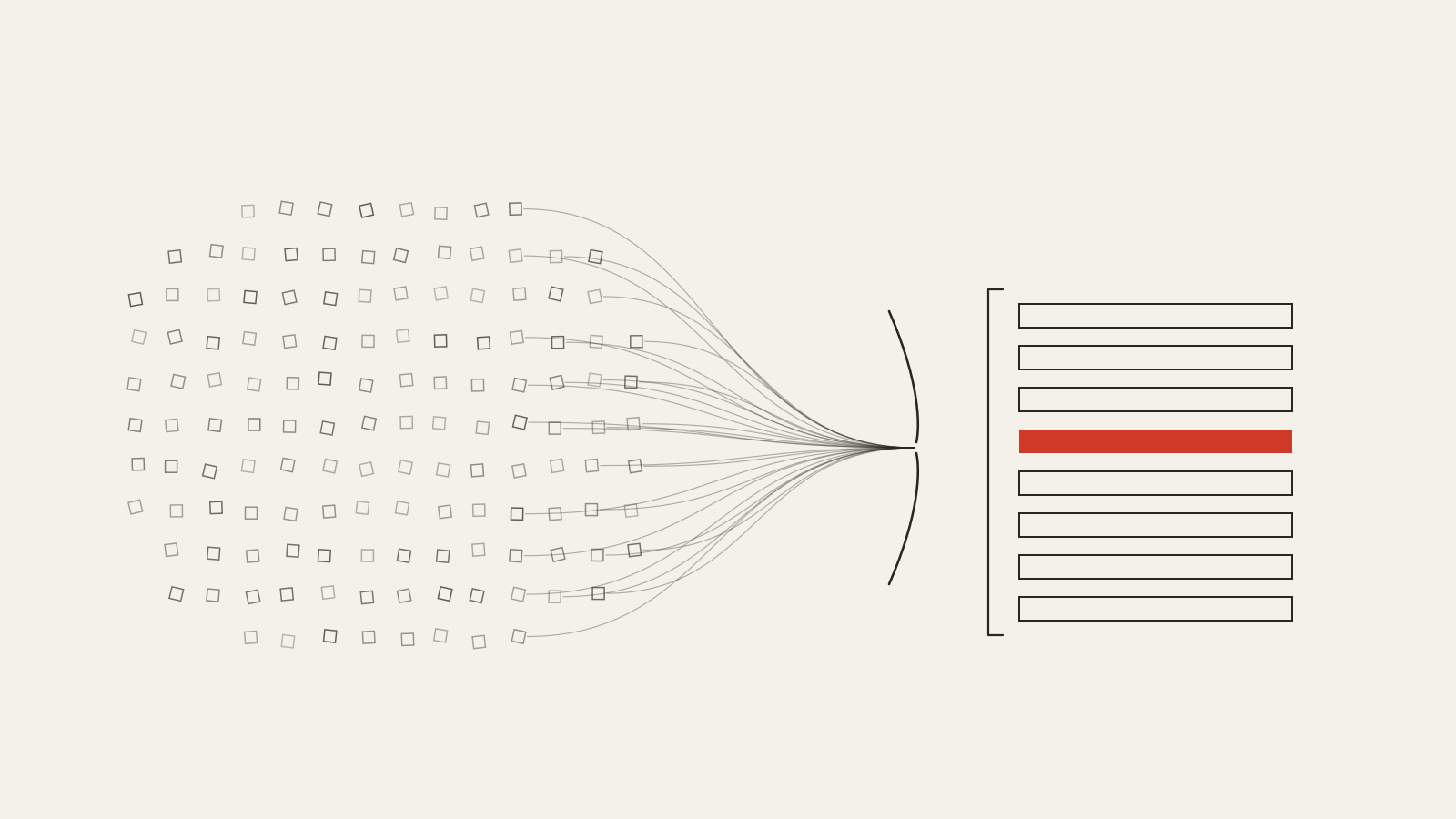
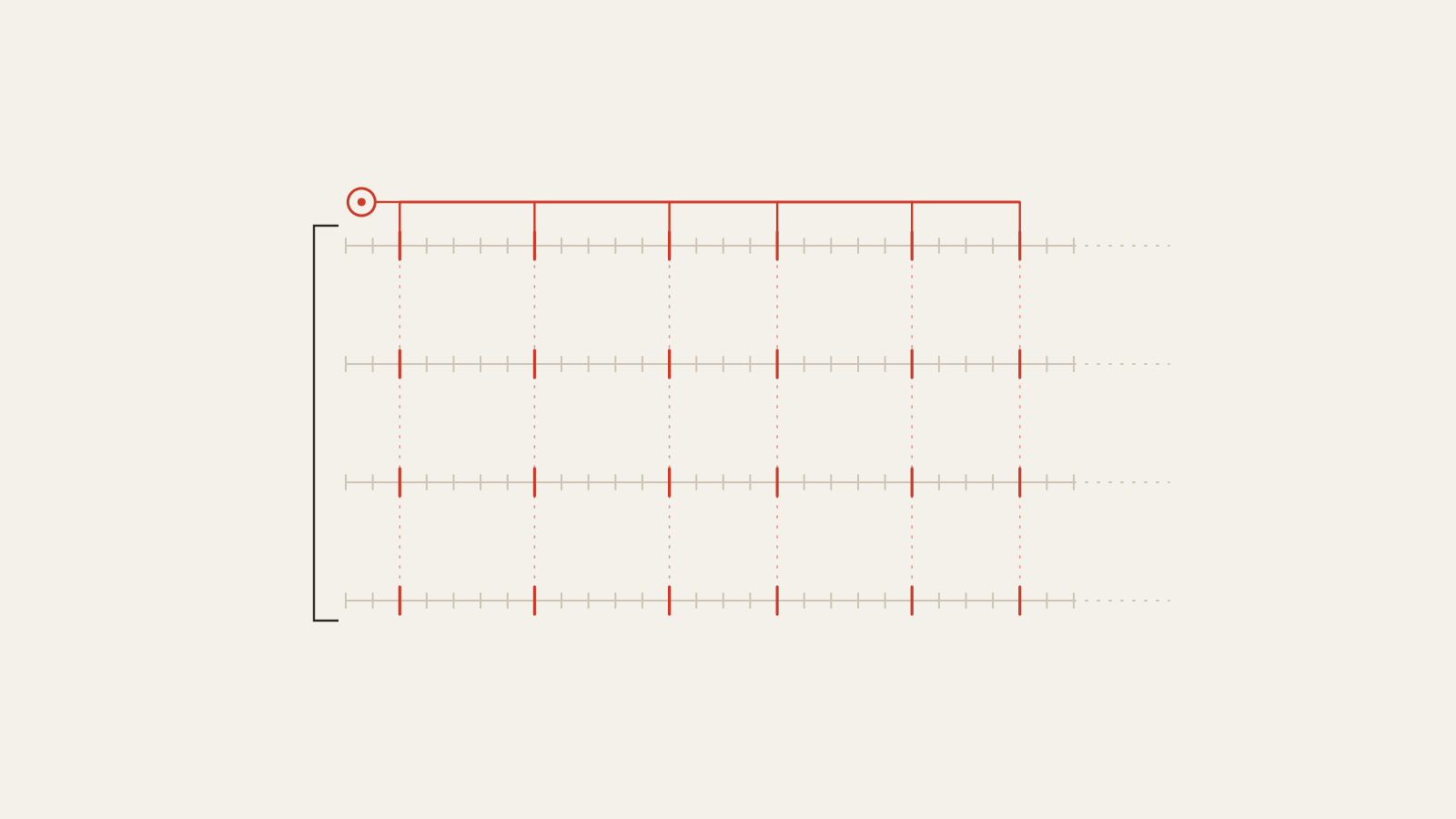
In mid-June 2026, a lab in Beijing released to the world — with an MIT license and open weights — a model that goes toe-to-toe with the closed frontier in long-horizon coding, at a sixth of the price. The headline isn’t the leaderboard. It’s how the thing is built. Because to read a million words…
Selling “sovereign” AI that actually runs on OpenAI’s models isn’t sovereignty — it’s a hermit crab in a borrowed shell. On the difference between armor you grew and armor with someone else’s name on the deed.
A longread on how generative AI is literally rewriting what we mean by knowledge management in a company. Spoiler: it’s no longer a repository, it’s an organism.
The human musculoskeletal system works because there’s a skeleton underneath. Modern data and AI stacks have the same problem: many muscles —Pydantic, JSON Schema, SQL, GraphQL, RDF— pulling with no bone underneath. LinkML proposes that bone.