
Benefits Of Adopting Modern Data Platforms In Large Corporations
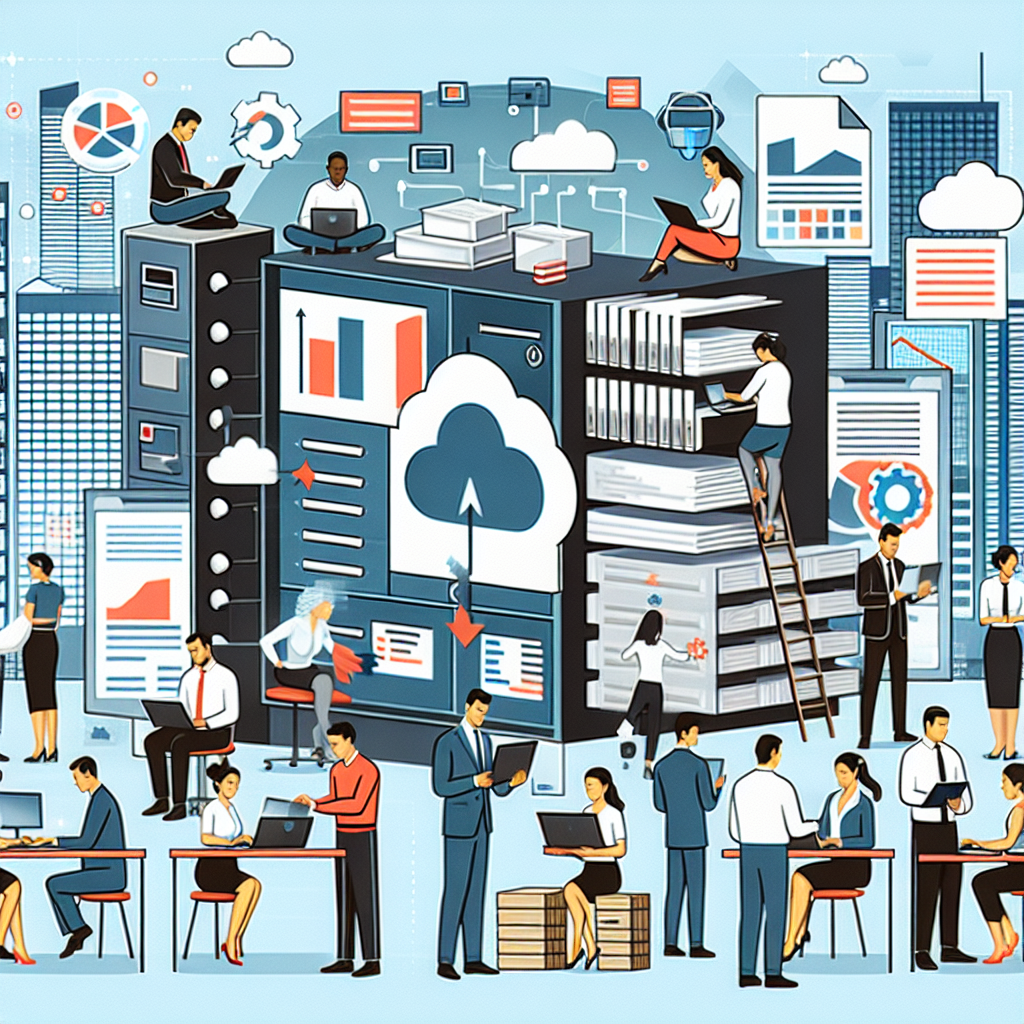
In the fast-paced world of business, large corporations face constant challenges to stay competitive and relevant. One of the keys to achieving this is the adoption of modern data platforms. These tools not only transform the way companies handle and analyze information, but they also open up a whole range of opportunities to innovate and grow. When considering the benefits of these platforms, it’s clear that implementing them can be a catalyst for success.
First, it’s important to highlight how modern data platforms improve operational efficiency. In a corporate environment, where every second counts, the ability to access data in real time is invaluable. Modern platforms allow companies to collect, process and analyze large volumes of data quickly and accurately. This not only reduces the time spent on manual, repetitive tasks, but also minimizes the margin for error. As a result, employees can focus on more strategic, higher-value activities, which in turn boosts the organization’s overall productivity.
In addition, adopting these platforms enables more informed decision-making. In the past, business decisions were often based on assumptions or outdated data. Today, modern data platforms provide up-to-date, accurate information, allowing business leaders to make decisions based on hard facts. This ability to make informed decisions not only improves the accuracy and effectiveness of business strategies, but also reduces the risk associated with uncertainty.
Another significant benefit is the customization and adaptability these platforms offer. Large corporations operate in diverse, constantly changing markets, so they need flexible tools that can adapt to their specific needs. Modern data platforms are designed to be highly configurable, allowing companies to adjust their features according to their particular requirements. This adaptability is crucial to staying agile and responding quickly to market demands.
Data security is another fundamental aspect that can’t be overlooked. In an era where cyber threats are a constant concern, modern data platforms are equipped with advanced security measures to protect sensitive information. This not only guarantees the integrity and confidentiality of the data, but also strengthens the trust of clients and business partners. By ensuring that data is protected, companies can focus on their growth and development without worrying about potential security breaches.
Finally, adopting modern data platforms fosters a culture of innovation within the organization. By providing employees with the tools and resources they need to explore new ideas and approaches, you create an environment conducive to creativity and innovative thinking. This culture of innovation not only drives the development of new products and services, but also improves employee satisfaction and engagement.
In short, the transition to modern data platforms offers a multitude of benefits for large corporations. From improving operational efficiency and informed decision-making, to ensuring data security and fostering innovation, these tools are essential for success in today’s competitive business world. By adopting these technologies, companies not only position themselves better to face the challenges of the present, but also prepare themselves to seize the opportunities of the future.
Strategies For A Successful Transition To Modern Data Platforms In Large Companies
The transition to modern data platforms in large corporations may seem like a monumental task, but with the right strategy, it’s possible not only to achieve it, but also to transform the way the company operates and makes decisions. First of all, it’s crucial to understand that change isn’t just about technology, but also about people and processes. Adopting new data platforms requires a holistic approach that considers organizational culture, staff training and the integration of new tools into existing workflows.
To get started, having the support of senior management is essential. Leaders must be committed to the vision of a data-driven company and willing to invest in the resources needed to make that vision a reality. This commitment translates into allocating adequate budgets, hiring data experts and creating teams dedicated to data management and analysis. In addition, leaders must clearly communicate the benefits of the transition to the entire organization, inspiring employees to embrace change and actively participate in the process.
Once senior management’s support is secured, the next step is to assess the company’s current needs and capabilities. This involves taking inventory of existing data systems, identifying gaps and determining which modern platforms can best meet the organization’s specific needs. It’s important to select a platform that is not only robust and scalable, but also flexible and capable of integrating with the tools and systems already in use.
Staff training and development are critical components of this transition. Employees must be equipped with the skills needed to use the new data platforms effectively. This can be achieved through ongoing training programs, workshops and the creation of a learning culture within the organization. By investing in staff development, companies not only improve their internal capabilities, but also foster an environment of innovation and continuous improvement.
Integrating new data platforms also requires careful planning and meticulous execution. It’s advisable to adopt a gradual approach, starting with pilot projects that allow the company to test and adjust the new tools before a large-scale rollout. These pilot projects can serve as success stories that demonstrate the value of the new platforms and generate enthusiasm and support within the organization.
In addition, it’s essential to establish clear metrics to measure the success of the transition. These metrics should be aligned with the company’s strategic objectives and provide a clear view of the impact of the new platforms on operational efficiency, decision-making and value generation. By continuously monitoring and evaluating progress, companies can identify areas for improvement and adjust their strategy as needed.
Finally, the transition to modern data platforms is an ongoing journey. Technology and business needs are constantly evolving, so it’s important to keep an open mind and be willing to adapt and evolve. By adopting a comprehensive, people-centered strategy, large corporations can not only overcome the challenges of the transition, but also make the most of the opportunities that modern data platforms offer to drive growth and innovation.

Leave a Reply